Texture Backgrounds: A Versatile Design Element for Modern Creatives
In the world of graphic design, visual content is more than just colors and shapes—it's about texture. Texture backgrounds have become a staple in modern design practices due to their ability to add depth, character, and realism to digital projects. Whether you're creating a presentation, designing marketing materials, or working on a website layout, using a texture background can elevate your work from flat and lifeless to rich and engaging.
What Is a Texture Background?
A texture background refers to a visual layer that mimics the look of physical surfaces such as wood, brick, marble, stone, or fabric. These backgrounds are often used in design software like Adobe Photoshop and InDesign to provide a tactile feel to otherwise digital compositions. Unlike solid color or gradient backgrounds, texture backgrounds offer subtle variation that catches the eye and enhances the overall aesthetic appeal.
When you choose a high-quality texture background template, you gain access to realistic elements that can make your designs stand out. For instance, a wooden texture might bring warmth and organic charm to a brand identity project, while a brick wall pattern could evoke a vintage or urban vibe. The right texture can subtly influence how an audience perceives your message—adding trust, creativity, or sophistication without overwhelming the content.
The Relevance of Texture Backgrounds in Today’s Design Landscape
As user expectations evolve, so does the need for visually compelling content. People no longer settle for generic, flat designs. They want experiences that feel real and immersive. This shift has led to a surge in the use of abstract, colorful, and realistic textures across industries—from web development to print media.
Businesses, especially in the creative and tech sectors, are increasingly relying on texture backgrounds to differentiate their branding. A well-placed 3D wood grain or marble texture can give a product page a premium feel, or help a blog post appear more approachable and human. With tools like Adobe Photoshop and InDesign, professionals can easily integrate these elements into their workflow, ensuring both quality and efficiency.
Why Texture Backgrounds Are Gaining Popularity
Several factors contribute to the growing interest in texture backgrounds:
- Visual Depth: Textures break up monotony by adding dimension and movement to otherwise static layouts.
- Compatibility with High-Resolution Tools: Many templates now come in high-resolution formats (like 300 DPI JPG) that are compatible with professional design software.
- Adaptability Across Media: From digital displays to printed materials, texture backgrounds maintain their quality and impact.
- Enhanced User Experience: In UI/UX design, texture backgrounds help create interfaces that feel more natural and intuitive.
Moreover, the rise of remote work and digital communication has increased the demand for versatile, ready-to-use design assets. A texture background template provides exactly that—offering two versions (high and low resolution) to suit different platforms and purposes. Whether you’re preparing a slide deck for a client meeting or optimizing visuals for social media, having access to scalable, high-quality files ensures consistency and professionalism.
Practical Applications of Texture Background Templates
Texture backgrounds are not limited to one industry or medium. Their usefulness spans across multiple fields:
- Web Design: Websites that use subtle texture backgrounds tend to feel more polished and less artificial. A soft brick wall or abstract pattern can guide user attention and improve readability when layered correctly.
- Print Media: Brochures, posters, and packaging benefit from high-resolution texture backgrounds. For example, a wooden texture on a luxury product label can suggest eco-friendliness or craftsmanship.
- Marketing Materials: Texture backgrounds can be used in email headers, banners, and promotional images to reinforce brand personality. A marble texture may communicate elegance, while a metallic or 3D effect might highlight innovation.
- Blog and Content Creation: Bloggers and educators often use texture backgrounds to make infographics or article headers more engaging. These textures help set the tone and keep readers visually interested.
For freelancers and small business owners, texture background templates are particularly valuable. They allow for quick, high-quality output without the need for custom photography or complex rendering. Simply download the files, open them in Adobe Photoshop or InDesign, and start enhancing your designs with minimal effort.
Choosing the Right Texture Background Template
With so many options available online, it's important to select a texture background that aligns with your project goals. Here are some tips for making the best choice:
- Consider the Purpose: A wooden texture may work well for a nature-themed website, but could clash with a tech startup's sleek design language. Always match the texture to the message and mood you want to convey.
- Check Resolution and Format: Look for templates that include both high-resolution (300 DPI) and low-resolution JPG files. This flexibility ensures your design looks great whether viewed on a screen or printed professionally.
- Ensure Software Compatibility: Make sure the texture background works seamlessly with your preferred design software. Adobe Photoshop and InDesign are widely used, so choosing a template compatible with these programs broadens your usability.
- Balance Aesthetics and Functionality: While a colorful abstract texture might look exciting, it should never overshadow the main content. Use texture backgrounds as a supporting element rather than the focal point.
One practical example is using a brick wall texture as the background for a café’s menu board. It adds a rustic charm that complements the theme, yet remains subtle enough to let the text shine. Similarly, a curved marble texture might be ideal for a real estate listing to reflect luxury and class.
Trends Shaping the Use of Texture Backgrounds
Modern design trends emphasize authenticity and emotional connection. As audiences grow more discerning, they gravitate toward visuals that feel handcrafted or genuine. This has led to the resurgence of textured aesthetics in minimalist design, where even the smallest detail matters.
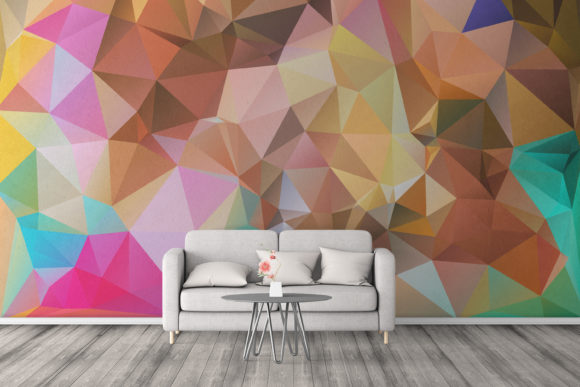
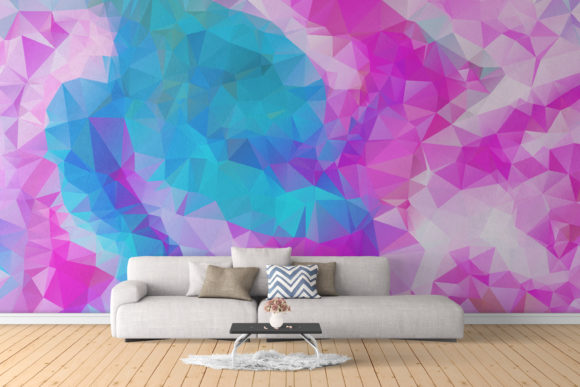
Another trend is the blending of textures with bold colors and abstract patterns. The combination of a colorful abstract background with a wooden or brick texture can result in dynamic visuals that are both artistic and functional. This hybrid style is especially popular among lifestyle brands and creative agencies looking to stand out in crowded markets.
Additionally, the adoption of responsive design has made texture backgrounds more essential than ever. As users switch between devices, the background must remain legible and visually appealing. Fortunately, many contemporary texture templates are optimized for various display sizes and resolutions, ensuring consistent performance across platforms.
How to Integrate Texture Backgrounds into Your Workflow
Using a texture background template is straightforward, but there are best practices to follow:
- Start with a Clean Canvas: Before applying any texture, ensure your base design is clean and organized. This makes it easier to adjust layers and opacity later.
- Layer Smartly: Apply the texture as a separate layer beneath your content. Adjust its transparency so it supports the foreground without competing with it.
- Use Blending Modes: Experiment with blending modes in Photoshop or InDesign to see how the texture interacts with other elements. Overlay, Multiply, and Soft Light can produce stunning effects.
- Test Across Devices: Preview your design on different screens and resolutions to confirm the texture remains effective and doesn’t cause issues with legibility.
Many designers also recommend starting with free texture background templates before investing in premium ones. This allows you to experiment with styles and understand which textures enhance your work most effectively. Once you've identified your preferences, you can then source higher-quality files tailored to your specific needs.
Future Outlook and Realistic Expectations
While texture backgrounds are currently in vogue, their relevance will likely continue as long as there's a demand for authentic, multidimensional design. However, their evolution will depend on technological advancements and shifting user behaviors. As AI-driven design tools become more accessible, we may see an increase in customizable texture generators—allowing for even greater personalization.
That said, the core value of texture backgrounds lies in their ability to add nuance and realism. No matter how advanced the technology becomes, thoughtful use of texture will remain a hallmark of professional design. The key is to stay informed about new developments while maintaining a focus on usability and clarity.
Final Thoughts on Texture Backgrounds
In summary, texture backgrounds are more than just decorative—they are strategic design choices that influence perception and engagement. By incorporating realistic textures like wood, marble, or brick into your projects, you can create more compelling and memorable visuals.
If you're looking for a reliable way to introduce texture into your work, consider downloading a texture background template. With features like high and low-resolution JPG files, compatibility with Adobe applications, and a wide range of styles from abstract to 3D, these templates offer a convenient solution for professionals and hobbyists alike.