Low Poly Background: A Modern Design Element for Diverse Applications
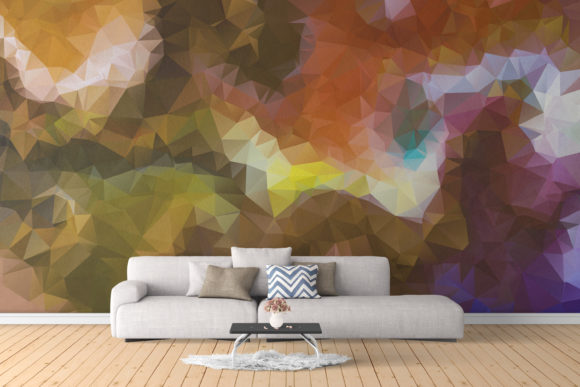
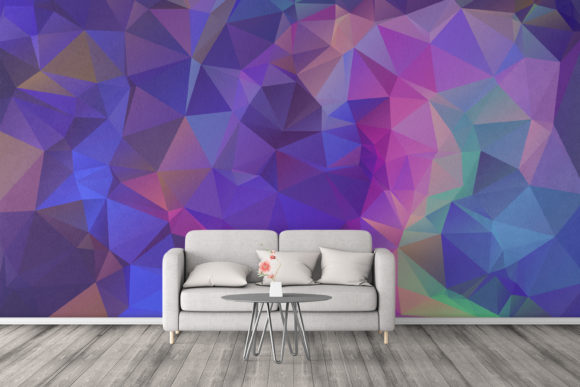
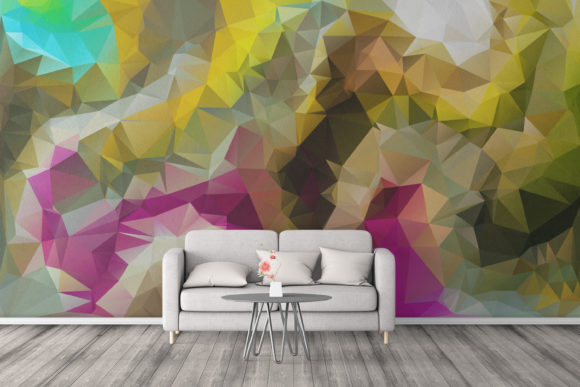
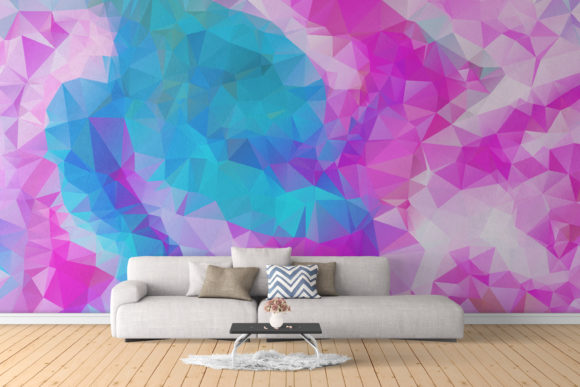
Low Poly Backgrounds have become a popular choice in the design world due to their unique aesthetic and versatility. These backgrounds are created using a combination of flat colors and geometric shapes, typically triangles or polygons, to form intricate patterns that resemble 3D structures. The term "low poly" comes from the idea of using fewer polygons than traditional 3D modeling techniques, which gives the design a stylized, abstract look. One of the most intriguing variations is the abstract low poly background from crystal, which mimics the natural geometry of crystalline structures.
Real-World Use Cases for Low Poly Backgrounds
Designers across various industries use Low Poly Backgrounds to add depth and visual interest without overwhelming the viewer. In marketing, these backgrounds can help highlight key messages on digital banners, social media posts, or landing pages. Their clean and modern appearance makes them ideal for brands aiming to convey innovation and technology.
- Corporate Presentations: Whether you're designing slides for an investor meeting or a product launch, a Low Poly Background can elevate your content's professionalism. Its structured yet artistic feel aligns well with data-driven topics like analytics, reports, or financial summaries.
- Web and App Design: Developers and UI/UX designers often turn to polygonal vector backgrounds to create visually engaging interfaces. The ability to customize colors while maintaining the same 3D image technology ensures consistency across platforms without sacrificing creativity.
- Print Media: From brochures to posters, the high-resolution nature (300 DPI) of these files makes them suitable for print. The RGB color mode supports vibrant hues, especially when paired with professional printing services.
- Science and Technology Visuals: The Molecule And Communication Background is particularly effective in educational materials related to chemistry, biology, or telecommunications. It helps visualize complex concepts through its organized layering and clear structure.
Customization and File Formats
The beauty of a Low Poly Background lies in its adaptability. With a size of 3000×2000 pixels, it’s large enough to accommodate various uses without losing quality. Additionally, users can easily change the color scheme to match brand identities or project themes, all while keeping the core 3D image technology intact.
Each file format serves a different purpose, making this package a powerful toolkit for designers:
- JPG: Ideal for quick sharing and web-based use where transparency isn't necessary.
- PNG: Best suited for projects requiring transparent backgrounds, such as app icons or layered designs.
- SVG: Perfect for scalable graphics used in responsive web design or animation.
- DXF: Useful for engineering or architectural applications, offering compatibility with CAD software.
- PDF: Great for print-ready documents and presentations that maintain clarity at any scale.
- AI: Provides full customization options in Adobe Illustrator, allowing for detailed edits and integration into larger projects.
- EPS: Ensures scalability and sharpness for both print and digital use, especially beneficial for logos and illustrations.
With each clipart saved separately and all formats included, you’re not just getting one design — you're acquiring a collection of tools that can be adapted to suit your needs.
Strengths of Using Low Poly Backgrounds
Low Poly Backgrounds offer several strengths that make them a go-to option for many professionals:
- Visual Clarity: The geometric style provides a clean backdrop that doesn’t distract from primary content. This is especially useful in infographics or dashboards where readability is key.
- Modern Appeal: They fit seamlessly into contemporary design trends, appealing to audiences who value minimalism and tech-forward visuals.
- Easy Integration: Thanks to multiple file types and high resolution, they integrate smoothly into both digital and print workflows.
- Color Flexibility: The ability to recolor the background without affecting the underlying structure means you can tailor the design to match branding or seasonal themes quickly.
- Layer Organization: Well-organized layers in AI and EPS files allow for precise editing and reusability, which is essential for efficient design processes.
Limitations and Considerations
While Low Poly Backgrounds are highly adaptable, there are some limitations and considerations to keep in mind before using them:
- Overuse Risk: Like any design element, using too much low poly can dilute its impact. Balance is important to maintain a professional appearance.
- Color Limitations: Though you can change colors, overly bright or clashing palettes may reduce the effectiveness of the design. Thoughtful color choices are crucial.
- Context Sensitivity: They work best for modern, abstract, or technological themes. For more traditional or organic settings, another background style might be more appropriate.
- Software Requirements: While JPG and PNG files are universally compatible, working with SVG, DXF, EPS, or AI files requires specific software knowledge. Ensure your team has access to tools like Adobe Illustrator or compatible editors.
Before choosing a Low Poly Background, consider how it will complement your overall design strategy and whether it aligns with your audience’s expectations and preferences.
Industries That Benefit Most from Low Poly Backgrounds
Certain industries find Low Poly Backgrounds particularly valuable. Here are a few examples:
- Data Science and Analytics: The Vector Data Science Background is a great fit for visualizing complex datasets or algorithmic models. The structured polygon layout mirrors the logical nature of data analysis.
- Education and Training: Abstract backgrounds can enhance learning materials by creating a dynamic environment that keeps students engaged. Topics like molecular biology or network communication benefit from the Molecule And Communication Background.
- Technology Startups: These companies often seek to communicate innovation and efficiency. A Low Poly Background can reinforce those values through its sleek and futuristic look.
- Graphic Design Agencies: Offering clients a range of customizable, high-quality files allows agencies to deliver tailored solutions quickly and professionally.
By understanding the target industry and application, you can better leverage the strengths of these backgrounds to meet specific goals.
How to Choose the Right Low Poly Background
Selecting the right Low Poly Background involves more than just picking an attractive image. Consider the following factors to ensure the design fits your needs:
- Theme Relevance: Does the background support the message or tone of your project? For example, a crystal-inspired design might be perfect for a luxury tech product but less so for a rustic-themed website.
- Resolution Needs: If you plan to print your design, confirm that the file meets the required resolution standards. At 300 DPI, these files are already optimized for most print jobs.
- File Format Compatibility: Make sure the chosen format works with your current software. If you rely heavily on Adobe Illustrator, the AI file offers unmatched flexibility.
- Scalability: Vector files like SVG and EPS ensure the background remains sharp at any size, which is vital for multi-platform use.
- Layer Accessibility: Well-organized layers in AI and EPS files mean you can modify elements independently, streamlining the editing process.
These considerations help prevent common pitfalls and ensure the background enhances rather than hinders your project.
Putting It All Together
Imagine you're preparing a presentation for a new line of smart devices. You want the slides to reflect cutting-edge design and functionality. By using an Abstract Low Poly Background from Crystal, you can achieve a balance between sophistication and simplicity. The polygonal structure subtly hints at the device’s technical aspects, while the customizable colors let you align the look with your company’s branding.
Or picture a science blog that wants to illustrate how molecules interact. A Molecule And Communication Background could serve as a metaphorical representation, helping readers grasp abstract concepts through visual storytelling. The clean, organized layer system also allows the blog’s designers to overlay text or diagrams without disrupting the background’s integrity.
In creative fields like web design, a developer might choose a Low Poly Background for a client’s homepage because it adds visual intrigue without complicating navigation. The high-resolution PNG or JPG files are easy to deploy, while the SVG version ensures the site looks crisp on all screen sizes.
For those in advertising, having access to 100 fully resizable vector files means experimenting with layouts and color schemes becomes part of the creative process rather than a barrier. Each format caters to a different stage of production, from initial concept to final delivery.
Final Thoughts on Low Poly Backgrounds
The Low Poly Background is more than just a design trend — it’s a functional and flexible tool that can be applied across numerous contexts. Whether you need a Vector Data Science Background to simplify complex information or a Polygonal Vector Background for a sleek corporate identity, the possibilities are vast. As long as you approach it with a clear understanding of your goals and audience, it can significantly enhance your visual output.
With instant download access and a variety of file formats, you can start integrating these designs into your workflow immediately. No physical product is involved, so there’s no waiting for shipments — just ready-to-use assets that empower your creativity.