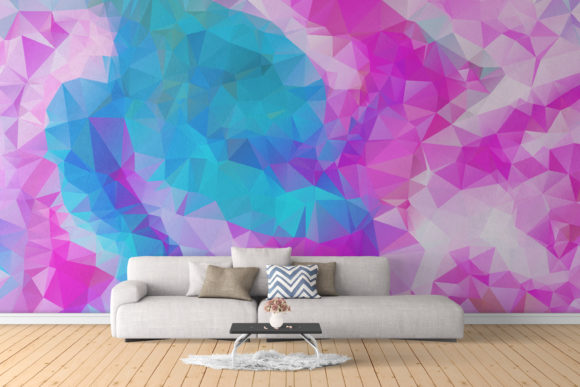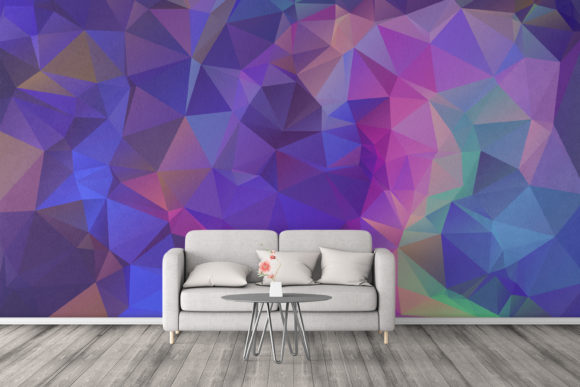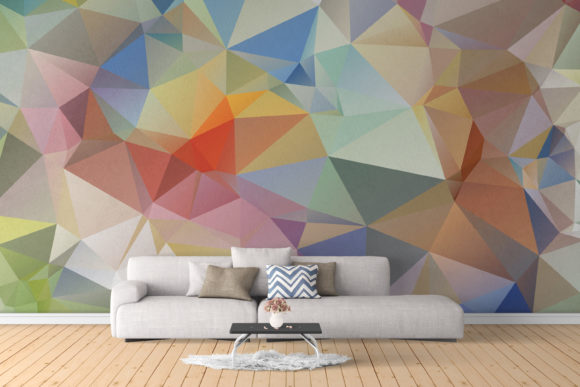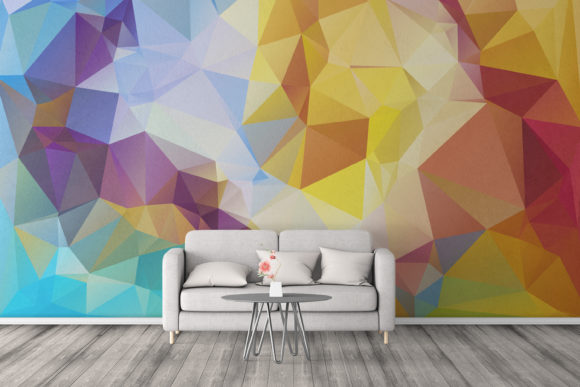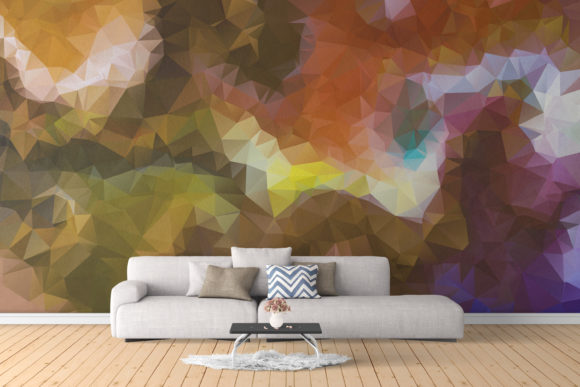
Abstract Low Poly Background: A Modern Design Essential
The Abstract Low Poly Background has become a staple in the world of digital design, offering a striking blend of minimalism and complexity. This unique visual element uses polygonal shapes to create an intricate yet clean aesthetic that works well across a variety of platforms and industries. Whether you're designing for marketing, education, or creative projects, understanding how this background can enhance your work is essential.
What Is an Abstract Low Poly Background?
An abstract low poly background is a type of vector graphic composed of flat, geometric polygons arranged in patterns to form abstract designs. These backgrounds are typically minimalist in style but add depth and texture through the interplay of shapes and colors. The "low poly" term refers to the use of fewer polygons compared to high-poly 3D models, resulting in a stylized and artistic look rather than a photorealistic one.
This design approach leverages vector technology, which allows for scalability without loss of quality. It's especially popular in fields like data science, where it adds a professional and modern touch to presentations, infographics, and reports.
Why Choose an Abstract Low Poly Background?
There are several reasons why professionals and creatives choose these backgrounds:
- Visual Appeal: The combination of geometric shapes creates a dynamic and eye-catching backdrop without overwhelming the content.
- Professional Quality: Ideal for corporate branding, websites, and business materials, it conveys innovation and sophistication.
- Customization: Easily adaptable in color, layout, and structure to match any theme or project requirement.
- Clean Files: Well-organized layers and formats ensure smooth editing and integration into various workflows.
- High Resolution: Delivered at 300 DPI with dimensions of 3000×2000 pixels, making it suitable for both digital and print media.
When enhanced with elements like molecular structures or communication icons, the Abstract Low Poly Background from crystal becomes even more versatile. Such designs can symbolize innovation, connectivity, or scientific precision, depending on the context they’re used in.
Marketing and Branding
In marketing, using an abstract low poly background can elevate the professionalism of promotional materials. For example, a tech startup might use a molecular-themed low poly design in their website header to suggest cutting-edge solutions. Its clean lines and structured appearance align well with brands focused on data, technology, and science communication.
Education and Presentations
Educators often benefit from using visually engaging tools in their lessons. An Abstract Low Poly Background can help present complex information—like data science concepts—in a more digestible format. Pairing it with diagrams or charts can make learning materials more interactive and memorable.
Web and App Design
Web designers love the flexibility of low poly backgrounds. Their scalable nature makes them perfect for responsive websites, while the layered files allow for easy customization. Imagine a health app using a low poly molecule-based background to represent wellness and interconnected systems—this subtle symbolism enhances user experience and reinforces brand identity.
Print and Graphic Design
Graphic designers working on brochures, posters, or packaging can utilize these backgrounds to create a futuristic feel. The RGB color mode ensures vibrant prints, and the availability of multiple file types (JPG, PNG, SVG, DXF, PDF, AI, EPS) gives them full control over how the design integrates into the final product.
Key Features That Make It Stand Out
Here’s what sets the Abstract Low Poly Background apart from other design elements:
- Easy Customization: With all cliparts saved separately and a single customizable Adobe Illustrator file, users can modify each component individually or as a whole.
- Well-Organized Layers: Ensures clarity when editing and maintains the integrity of the design during adjustments.
- Professional File Formats: Includes SVG, DXF, AI, and EPS for compatibility with design software and 3D modeling tools.
- 100% Resizable: No matter the screen size or print dimension, the design remains sharp and clear.
- High-Quality Output: At 300 DPI resolution, it’s suitable for high-end printing and large-scale digital displays.
These features collectively make it a valuable asset for anyone who needs a visually appealing yet functional background for their projects.
How to Use It Effectively
To get the most out of an Abstract Low Poly Background, consider the following tips:
- Match Your Theme: Use warm tones for welcoming environments or cool shades for tech-related themes.
- Layer Wisely: Place the background behind key text or images to avoid clutter and maintain focus on the main content.
- Use for Subtle Emphasis: In educational settings, a low poly molecule background can subtly reinforce topics related to chemistry or biology.
- Optimize for Different Platforms: Since it comes in multiple formats, select the appropriate one based on your intended platform—web, mobile, or print.
Real-World Examples and Use Cases
Let’s take a closer look at some real-world applications:
Corporate Reports
A finance company might incorporate an Abstract Low Poly Background into their quarterly reports. The geometric patterns provide a modern feel, while the clean lines support readability. When paired with graphs or data tables, the background helps guide the viewer’s attention and improves overall comprehension.
Startup Websites
Startups in the SaaS industry often use low poly backgrounds to showcase innovation. By using a crystal-inspired low poly design, they can imply transparency and reliability—key traits for building trust with potential clients.
Mobile App Interfaces
Designers creating apps for health or fitness may use a communication-themed low poly background to highlight social sharing or networking features. The abstract nature of the design complements the app’s functionality without distracting the user.
Considerations Before Implementation
Before selecting an Abstract Low Poly Background, keep the following points in mind:
- Color Scheme: Ensure the background colors complement your content and don’t clash with text or logos.
- Complexity vs. Clarity: While intricate, the design should still serve its purpose. Overly busy patterns can detract from readability.
- File Compatibility: If you plan to edit the design further, check that you have access to the right software, such as Adobe Illustrator or CorelDRAW.
- Intended Use: Decide whether you need a static image (JPG/PNG) or a fully editable vector format (SVG/AI/EPS).
For those looking to streamline their workflow, having all assets in one package is incredibly beneficial. You receive JPG, PNG, SVG, DXF, PDF, AI, and EPS files, ensuring adaptability across different design and production environments.
Conclusion
The Abstract Low Poly Background is more than just a trendy design—it's a practical and powerful tool for enhancing visual communication. From sleek corporate websites to educational infographics, it brings a level of professionalism and creativity that few other design elements can match.
If you're looking to integrate a modern, scalable, and easily customizable background into your next project, this design is a smart choice. Its versatility and high-quality output make it a must-have for designers and non-designers alike.
With instant download and no physical shipping required, you can start using your Abstract Low Poly Background immediately. Whether you're a marketer, educator, or entrepreneur, this resource can help you stand out in today’s competitive visual landscape.
Need help choosing the right design? Feel free to reach out—we’re here to assist you in finding the perfect fit for your needs.