Bahrain Versus Indonesia Two Flags: Understanding the Design Concept and Its Applications
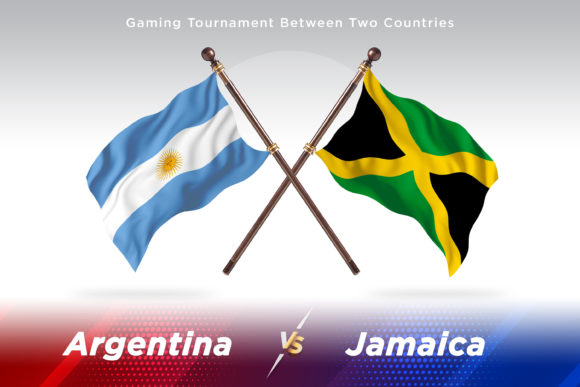
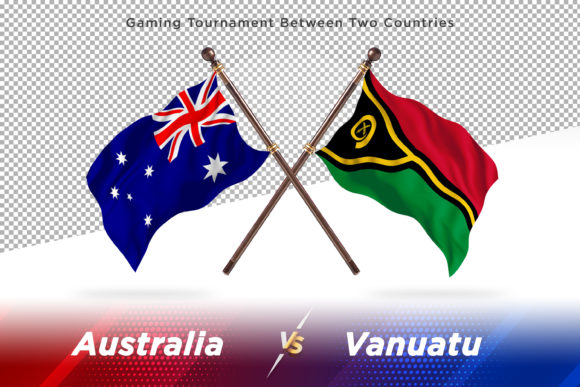
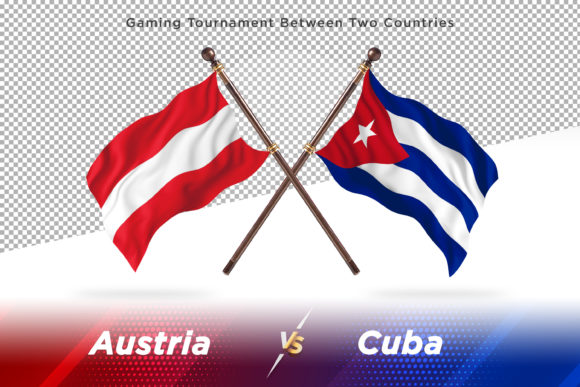
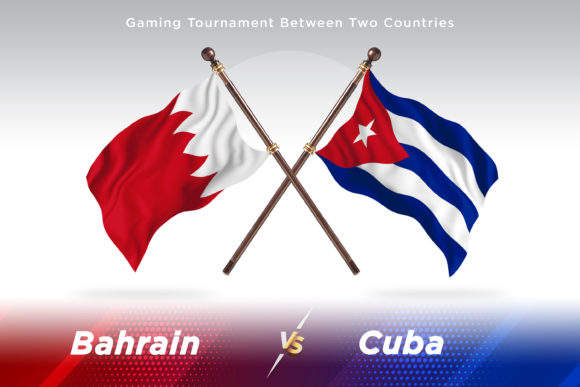
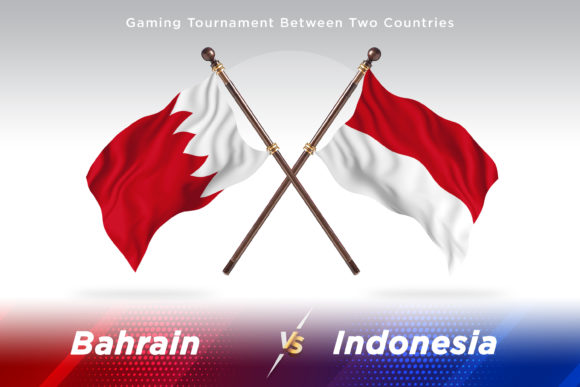
When it comes to creating visual content that highlights national identity or comparative design, the Bahrain Versus Indonesia Two Flags illustration concept is a powerful tool. This type of graphic typically features two country flags—Bahrain and Indonesia—in a 3D waving position, isolated on their own layers for easy customization. It’s popular among designers, marketers, educators, and content creators who need high-quality visuals for presentations, branding, educational materials, or social media.
What Is the Bahrain Versus Indonesia Two Flags Illustration?
The Bahrain versus Indonesia Two Flags concept is a digital illustration that places both flags in a visually engaging format. Each flag is rendered in 3D with a realistic wave effect, often against an isolated background. The design includes:
- One PSD file (4500 x 3000 px): Perfect for editing in Adobe Photoshop.
- One JPEG and one PNG file: Ready-to-use formats for web or print use.
- Smart Objects: Enable non-destructive editing so you can change colors, add text, or tweak elements without losing quality.
- Well-organized layers: Facilitate easy manipulation and ensure clarity during the editing process.
This bundle is ideal for professionals and hobbyists alike who want to produce polished designs quickly. Whether you're working on a marketing campaign, a blog post about international relations, or a travel-related project, having access to official, accurate flags is essential for credibility and professionalism.
Common Mistakes When Using Country Flag Bundles
Despite their usefulness, many people make avoidable mistakes when choosing or using flag illustrations like the Bahrain versus Indonesia Two Flags. Here are some common pitfalls:
1. Assuming All Flag Graphics Are Accurate
Not all flag illustrations represent the official country flags correctly. Some may have outdated symbols, incorrect proportions, or poor color representation. Always verify that the flags in your design match the current, officially recognized versions from each nation.
Example: If you're designing a promotional material for an event between Bahrain and Indonesia, using a slightly off-color version of either flag could lead to misunderstandings or even embarrassment if noticed by someone familiar with the correct design.
Better approach: Look for bundles that explicitly state they include “Official Country Flags.” These are more likely to be vetted for accuracy. If unsure, double-check with reliable sources such as government websites or international flag databases.
2. Ignoring File Format Requirements
While JPEGs and PNGs are great for final output, not all projects will benefit from them. For example, if you plan to edit the design extensively, using only raster formats might limit your ability to scale or modify elements cleanly.
Mistake: Opening a JPEG file in Photoshop and trying to adjust the flag's colors directly can result in pixelation or loss of detail.
Better approach: Always start with the PSD file when possible. Smart objects allow you to replace images or text without compromising resolution. This ensures your final product looks sharp and professional across different platforms and sizes.
3. Overlooking Layer Organization
A well-structured layer system in a PSD file makes editing a breeze. However, many users assume they can just dive into editing without understanding how the layers are set up.
Mistake: Merging layers too early can prevent individual elements from being edited later. You might end up needing to redo work because you couldn’t isolate the flag or background as intended.
Solution: Before making any edits, review the layer names and structure. Most reputable bundles label each flag clearly, making it simple to identify which layer corresponds to which country. This helps maintain efficiency and reduces the risk of errors.
4. Not Considering Contextual Use
Using the Bahrain versus Indonesia Two Flags illustration requires awareness of context. Flags are often associated with national pride, political statements, or cultural respect. Misuse can send unintended messages or appear insensitive.
Example: A business owner planning to use the flags in a logo should consider whether combining them is appropriate or if it might imply something unintended, especially in regions where flag symbolism is deeply ingrained.
Better approach: Research the cultural significance of each flag before incorporating them into your design. Consider consulting with locals or experts if you're unsure about appropriateness or meaning.
Practical Tips for Choosing and Using Flag Illustrations
To get the most out of the Bahrain versus Indonesia Two Flags concept, here are some tips that will help you avoid missteps and enhance your workflow:
1. Check Resolution and Quality
The 4500 x 3000 px size is excellent for large-scale printing or high-resolution displays. But always confirm the image quality matches your intended use. Low-quality assets won't look good in print or on high-definition screens.
2. Understand Licensing Terms
Before downloading or purchasing any flag-based design, ensure you understand the licensing agreement. Some bundles may restrict commercial use unless you pay for a premium license. Others might require attribution depending on the source.
Pro tip: Keep a copy of the license agreement with your files. This avoids legal complications down the line and ensures you stay compliant with usage rights.
3. Use Appropriate Color Profiles
Flags can sometimes be tricky due to specific color shades that must be maintained. The Bahrain versus Indonesia Two Flags illustration should already adhere to the correct Pantone or CMYK/RGB values, but it's wise to check this, especially if you're printing the design.
If you notice any discrepancies in color, refer back to the original flag specifications and manually adjust them in your design software. This attention to detail reflects professionalism and care in your work.
4. Optimize for Different Platforms
Even though the bundle provides ready-to-use JPEG and PNG files, don’t forget to optimize these for their intended platform. Web use may require smaller file sizes and compressed formats, while print demands higher resolution and proper bleed settings.
Correct practice: Save separate optimized versions for online and offline use. This ensures your design looks great wherever it appears.
What to Evaluate Before Committing to a Flag Design Bundle
Before purchasing or using the Bahrain versus Indonesia Two Flags illustration, consider the following factors to ensure it fits your needs:
- Accuracy of the flags: Verify the flags are up-to-date and officially recognized.
- File flexibility: Confirm the bundle includes editable layers and smart objects if needed.
- Resolution and scalability: Ensure the asset is suitable for your target use case, whether it's a website banner, poster, or presentation slide.
- Licensing terms: Clarify what you’re allowed to do with the files—especially if you're using them for commercial purposes.
- Design style: Make sure the illustration’s aesthetic aligns with your brand or message. Realistic 3D waving flags are great for formal contexts, while flat or stylized designs may suit creative or informal projects better.
Real-World Applications of the Bahrain Versus Indonesia Two Flags Concept
This kind of illustration is incredibly versatile. Here are some realistic examples of how it can be used:
- International trade shows: Displaying both flags can symbolize partnerships or regional focus.
- Travel blogs or brochures: Highlighting the flags adds authenticity and visual interest to content about these countries.
- Educational materials: Teachers can use the flags to introduce students to geography, culture, or history.
- Marketing campaigns: Businesses targeting both nations can use the flags to build trust and local relevance.
- Graphic design portfolios: Showcasing flag illustrations demonstrates attention to detail and knowledge of global design standards.
Expanding Your Collection: Adding More Flags
If you find yourself needing more than just the Bahrain versus Indonesia Two Flags, most designers offer the option to request additional flags. This allows you to tailor the illustration to fit broader comparisons or collaborations involving multiple countries.
Important note: When adding new flags, ensure they are also official and properly represented. Mixing unofficial or poorly designed flags with high-quality ones can reduce the overall professionalism of your project.
Ask the designer or provider to confirm that any added flags follow the same standards—resolution, layering, and smart object compatibility. This way, your design remains cohesive and adaptable.
Conclusion
The Bahrain versus Indonesia Two Flags illustration offers a clean, professional way to showcase national symbols in a variety of contexts. By avoiding common mistakes and following best practices, you can maximize its potential and deliver visually compelling results. Whether you're a marketer, educator, or independent creator, investing time in understanding how to use such assets effectively pays off in quality, efficiency, and audience satisfaction.
Remember, the right flag illustration isn’t just about aesthetics—it’s about accuracy, intent, and impact. With the right tools and mindset, you can turn this resource into a valuable part of your design strategy.