Austria Versus Nepal Two Flags: A Global Symbolism Comparison
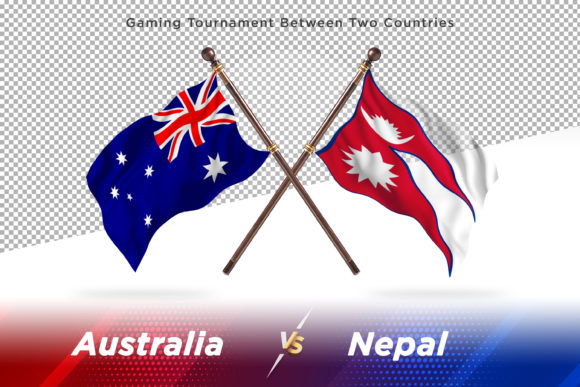
The concept of country flags is deeply rooted in history, culture, and identity. Among the many flag illustrations that have captured attention, the Austria versus Nepal two flags design stands out as a compelling visual representation of national pride and contrast. This unique illustration uses the official flags of Austria and Nepal, placed side by side in a 3D waving position on an isolated background. It serves not only as a striking graphic but also as a tool for understanding the significance of these symbols in today's global context.
Understanding the Flags
Before delving into the artistic or symbolic aspects of the Austria versus Nepal two flags illustration, it’s important to understand what each flag represents.
The Flag of Austria
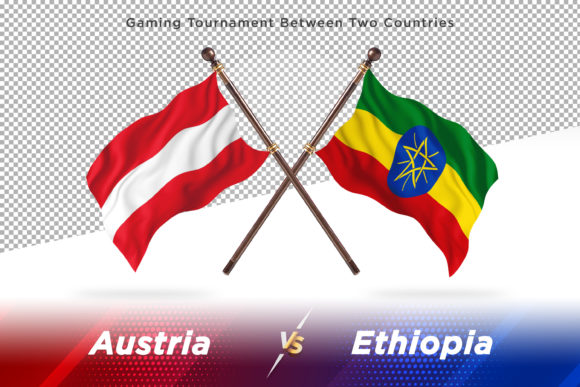
The Austrian flag consists of three horizontal stripes—red at the top and bottom with white in the center. These colors trace their origins back to the 13th century, when they were used as the banner of the Babenberg dynasty. The red and white are also found in the city flag of Vienna and have been adopted as national colors. The flag symbolizes unity, peace, and freedom. Its design is simple yet powerful, making it one of the most recognizable banners in Europe.
The Flag of Nepal
In stark contrast, the Nepalese flag is a rare example of a non-rectangular national flag. It features two stacked triangles with blue borders. The crimson color represents bravery and valor, while the blue border symbolizes peace and harmony. The white crescent and star are religious emblems from Hinduism and Buddhism respectively, highlighting the spiritual diversity of the nation. This dual-triangle design makes the flag distinctive and immediately identifiable among the world’s official flags.
The Artistic Illustration
The Austria versus Nepal two flags illustration offers a visually engaging way to compare these two distinct national symbols. Created using high-resolution assets (4500 x 3000 px), this 3D-style artwork places each flag in its own layer, allowing for detailed editing and customization. Professionals, educators, and designers can utilize this layered format to explore how different flags interact within shared spaces or how they can be integrated into broader design projects.
One of the standout features of this illustration is the use of smart objects in the PSD file. This enables users to modify the flags without losing quality, making it ideal for presentations, marketing materials, educational content, or even digital art installations. Whether you're working on a website, a brochure, or a social media campaign, having access to editable layers provides flexibility and control over the final output.
Use Cases and Practical Applications
The versatility of the Austria versus Nepal two flags illustration allows it to serve multiple purposes across industries:
- Education and Research: Teachers and students can use this image to discuss geography, politics, and cultural symbolism. The visual comparison between Austria and Nepal helps learners grasp differences in historical development and national identity.
- Design Projects: Graphic designers and web developers benefit from the layered files to incorporate flags into infographics, banners, or interactive elements. The inclusion of JPEG and PNG formats ensures compatibility with various platforms and printing needs.
- Business Presentations: Companies engaged in international trade or partnerships might find this illustration useful when presenting to stakeholders in both countries. It adds a professional touch while emphasizing the connection between diverse markets.
- Cultural Events: Event planners and curators can integrate this artwork into exhibits or promotional material that celebrate multiculturalism or international relations.
Why Compare Flags?
Flags are more than just colorful cloth; they represent centuries of history, values, and aspirations. Comparing the flags of two nations like Austria and Nepal offers insights into their unique identities and shared human experiences. For instance, while Austria’s flag reflects European simplicity and tradition, Nepal’s triangular design speaks to its Himalayan heritage and spiritual depth.
This kind of visual juxtaposition is particularly useful for audiences interested in geopolitics, cultural studies, or international relations. By analyzing the design choices behind each flag, we can better appreciate the stories they tell and the people they represent.
Technical Advantages of the Design Bundle
The Austria versus Nepal two flags bundle includes several technical advantages that enhance its usability:
- High Resolution: The 4500 x 3000 px size ensures clarity and detail, whether printed or displayed digitally.
- Multiple Formats: With JPEG and PNG options available, users can choose the best format depending on their project requirements, such as transparency or compression needs.
- Layered Structure: Each flag is on its own layer with clear naming conventions, which simplifies editing and repositioning.
- Smart Objects: This feature allows for easy resizing and modification without degrading image quality, making it suitable for both beginners and advanced users.
- Isolated Background: The clean, transparent background ensures the flags remain the focal point, perfect for overlaying on any design or backdrop.
Customization and Expansion
Although the current illustration includes only the flags of Austria and Nepal, the design is modular enough to allow for expansion. If your project requires additional flags, the well-organized structure makes it straightforward to add new elements. This adaptability is especially valuable for those creating comparative analyses or designing for events involving multiple nations.
For example, if you're preparing a presentation on European versus Asian cultures, you could easily replace or supplement the existing flags with others from around the globe. This encourages creativity and deeper exploration of global themes through visual storytelling.
Real-World Relevance
In our increasingly interconnected world, the ability to visualize and compare national symbols is more relevant than ever. The Austria versus Nepal two flags illustration can be used in a variety of real-world scenarios:
- International Trade Reports: Highlighting the two countries' flags can make reports more visually appealing and culturally respectful.
- Diplomatic Materials: Government agencies and NGOs may use the design to emphasize bilateral relationships or cooperation initiatives.
- Travel Industry Content: Tourism companies can incorporate the flags into promotional visuals to showcase the beauty and diversity of both nations.
- Political Analysis: Analysts and journalists might use the illustration in articles discussing geopolitical dynamics between Eastern and Western countries.
Design Considerations and Best Practices
When working with the Austria versus Nepal two flags illustration, it’s essential to maintain the integrity of the flags themselves. Here are some considerations to keep in mind:
- Ensure the proportions and colors of each flag remain accurate to avoid misrepresentation.
- Respect the placement and orientation of the flags according to international standards, typically arranging them based on alphabetical order or relevance.
- Use the smart object feature to edit text or graphics associated with the flags rather than altering the flag images directly.
- Maintain the resolution and aspect ratio during scaling to preserve visual quality.
These guidelines help ensure that the final product remains both aesthetically pleasing and respectful of the flags’ significance.
Global Flag Trends and Digital Integration
The popularity of flag-based illustrations has grown alongside the rise of digital communication. As brands and organizations seek to connect with international audiences, incorporating country flags into designs has become a common practice. However, doing so effectively requires attention to detail and an understanding of cultural context.
Illustrations like Austria versus Nepal two flags cater to this need by providing a ready-to-use, high-quality template. Their layered format supports modern design workflows where responsiveness and scalability are key. In addition, the 3D waving effect adds a dynamic element that can elevate the impact of the design in digital environments such as websites, mobile apps, and video backgrounds.
Exploring More Country Flags
While the Austria versus Nepal two flags illustration focuses on a specific pair of nations, it opens the door to exploring other country flags from around the world. Understanding the design principles and symbolism behind flags can lead to more informed and impactful visual content creation.
For instance, comparing flags from neighboring countries or those with similar historical roots can reveal fascinating patterns and contrasts. Similarly, examining flags of countries involved in diplomatic agreements or economic partnerships can provide a deeper appreciation of their shared goals and values.
Conclusion
The Austria versus Nepal two flags illustration is a powerful and flexible resource for anyone looking to incorporate national symbols into their work. From its historical roots to its modern-day applications, this design bridges the gap between art and education, offering something valuable to professionals, hobbyists, and researchers alike. With its high-resolution format, layered structure, and smart object support, it empowers users to create meaningful and visually compelling content that respects the cultural significance of each flag.