Argentina Versus Greece Two Flags: A Practical Guide to Choosing and Using Country Flag Illustrations
Understanding the Argentina Versus Greece Two Flags Concept
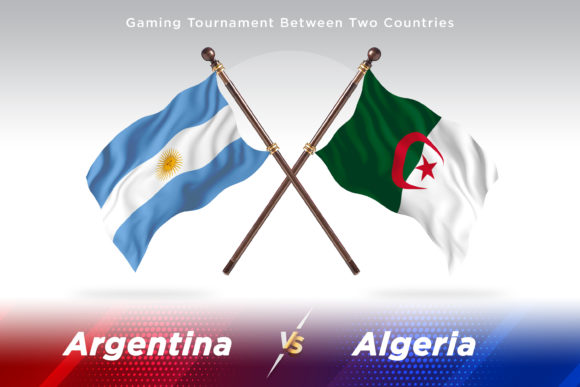
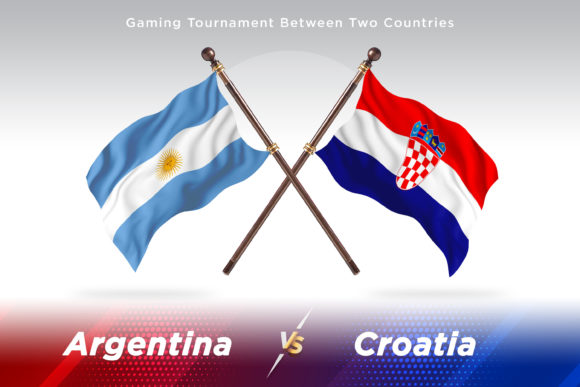
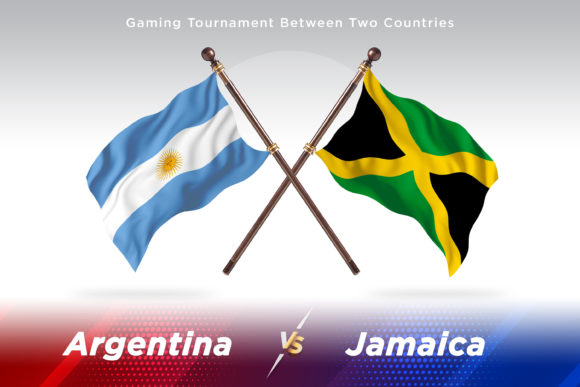
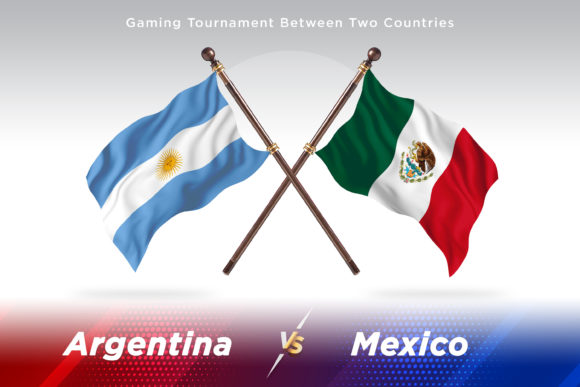
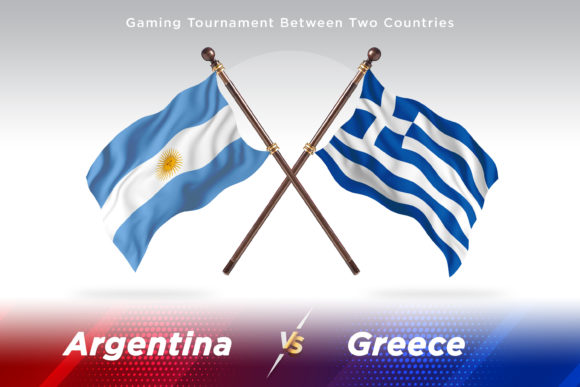
The Argentina Versus Greece Two Flags concept refers to a visual design where the official flags of Argentina and Greece are presented side by side, often in a 3D waving format. This type of illustration is particularly popular among designers, marketers, educators, and content creators who need to represent national identities clearly and creatively for presentations, branding materials, educational projects, or digital campaigns.
Such illustrations can be used to highlight cultural contrasts, support international events, create infographics, or serve as background elements in web design and print media. The key to their effectiveness lies in clarity, accuracy, and aesthetic appeal—especially when they’re part of a larger design project involving multiple countries or themes.
Why People Are Interested in These Flag Illustrations
Country flag illustrations like the Argentina Versus Greece Two Flags offer a unique way to convey patriotism, diversity, or competition visually. For instance, if you're creating a sports event poster that features both nations, using these flags in a dynamic, isolated format ensures your message is clear and professional.
Designers also appreciate having access to high-resolution files (like PSDs) with smart objects and organized layers. This makes it easier to customize the flags without compromising quality or wasting time on tedious edits. Whether you're working with Greece’s blue-and-white cross or Argentina’s sky-blue and golden sun, precision matters.
Common Mistakes When Working with Argentina Versus Greece Two Flags
While these flag illustrations may seem straightforward, there are several pitfalls that users—especially beginners—often encounter:
- Using incorrect or outdated flag designs: It's crucial to ensure that the flags reflect their current official versions. Some people overlook minor changes, such as color variations or emblem updates, which can lead to inaccuracies.
- Ignoring file formats and layer structure: Many users download a JPEG or PNG without realizing that a PSD file would give them more flexibility for editing. Not checking layer names or smart object compatibility can limit how effectively you use the design.
- Misplacing the flags in context: If you're comparing two countries in a presentation or infographic, improper placement or scaling can distort the intended message. For example, positioning one flag higher than the other might unintentionally imply superiority.
- Overlooking resolution needs: Low-resolution images won’t look good in print or on large screens. Always verify that the illustration meets the necessary pixel dimensions—like the 4500 x 3000 px offered in some bundles—for high-quality output.
How These Mistakes Can Impact Your Project
Choosing the wrong version of a flag can affect the credibility and professionalism of your work. An outdated Greek flag or a miscolored Argentine flag could confuse viewers or even offend those familiar with the correct symbols.
Additionally, if you don’t take advantage of smart objects and well-organized layers, you might find yourself spending unnecessary time adjusting colors or resizing elements manually. This not only affects efficiency but also limits creativity and responsiveness in your workflow.
In marketing or educational contexts, poor flag representation can reduce engagement or make your message less compelling. Think of a travel brochure featuring Argentina and Greece; an inaccurate or low-quality flag illustration could turn potential customers away.
Always Verify Official Flag Designs
Before finalizing any illustration, double-check the official country flags. You can refer to government websites or authoritative flag databases. For example, Argentina’s flag should have a precise shade of sky blue and a correctly proportioned yellow sun with the coat of arms at its center. Greece’s flag should feature nine horizontal stripes alternating between blue and white, with a blue square in the upper hoist corner containing a white cross.
Choose the Right File Format for Your Needs
If you plan to modify the flags later, always opt for the PSD file instead of JPEG or PNG. Smart objects allow you to scale, recolor, or adjust elements non-destructively, preserving the integrity of the original design. For static use, JPEG and PNG are sufficient, but remember to select the appropriate resolution based on your platform (web vs. print).
Use Proper Sizing and Positioning
When placing flags in a design, maintain equal proportions and spacing unless the layout specifically requires otherwise. Misalignment or disproportionate sizing can send unintended messages. In the case of the Argentina versus Greece Two Flags illustration, keeping both flags symmetrical helps reinforce balance and fairness in the visual narrative.
Check Layer Organization Before Customization
A well-structured PSD file will include each flag on its own layer, labeled clearly. This allows you to edit individual components easily. If the layers aren’t named properly or grouped logically, it may be challenging to apply changes without affecting the rest of the illustration. Always open the PSD and review the layers before proceeding with any edits.
Realistic Examples and Better Approaches
Let’s say you're designing a promotional banner for a friendly match between teams from Argentina and Greece. Instead of using a generic stock image with poorly rendered flags, consider downloading a professionally crafted bundle like Argentina Versus Greece Two Flags, which includes all the necessary assets for customization.
You can place the flags side by side, adjust their colors to match your brand palette, and even animate them in a digital project thanks to the layered and scalable nature of the design. This approach saves time and enhances the overall visual impact compared to manually sourcing and aligning separate flag images.
Another scenario involves creating an infographic about international trade partners. Rather than using flat, lifeless flag icons, a 3D waving illustration gives your design depth and realism. With smart objects, you can tweak the lighting, shadows, or position to fit the infographic’s theme seamlessly.
What to Check Before Making a Decision
Before purchasing or downloading an Argentina versus Greece Two Flags illustration, ask yourself the following questions:
- Are the flags up-to-date and officially recognized?
- Do I need a vector-based or layered file for future edits?
- Will the illustration meet the required resolution for my intended use?
- Is the background isolated so I can integrate the flags into different layouts?
- Can I request additional flags if needed?
Answers to these questions will help you avoid costly rework and ensure the illustration serves its purpose effectively. For example, if you're building a website, a transparent PNG may be better than a JPEG to blend with your site’s background. Conversely, a high-res JPEG might be ideal for printing brochures or banners.
Conclusion: Make Informed Choices for Better Results
The Argentina Versus Greece Two Flags illustration is a powerful tool for designers and content creators who want to incorporate accurate and visually appealing representations of national identity. By avoiding common mistakes and understanding the value of smart objects, proper layer organization, and up-to-date flag designs, you can elevate your projects significantly.
Whether you're a marketer preparing for a global campaign, an educator making a geography lesson engaging, or a freelancer delivering a client project, choosing the right flag illustration can enhance clarity, professionalism, and audience connection. Always prioritize quality, accuracy, and usability to get the best results from your design efforts.